
1.800.668.3752
Call us for a free quote
Call us for a free quote
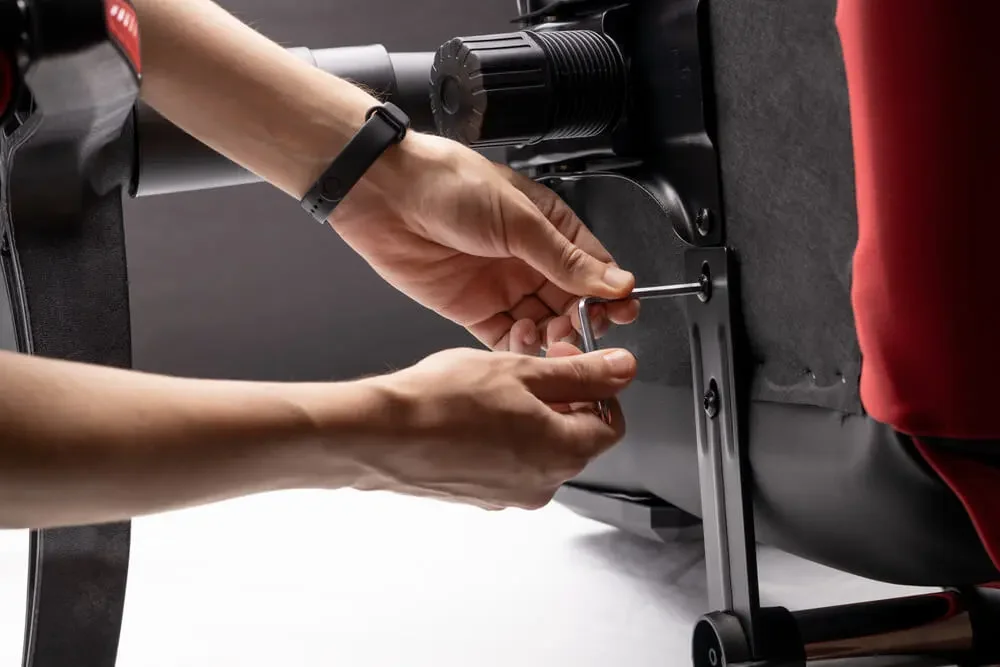
Your office chair’s persistent squeaking disrupts concentration, annoys coworkers, and signals that something needs attention. Every movement produces an embarrassing creak that makes you hyper-aware of shifting position during meetings or quiet work time. The good news: most squeaky chairs can be fixed quickly with basic household items and minimal effort.
Understanding where squeaks originate and which solutions work for different noise sources helps you silence your chair effectively rather than applying random fixes that don’t address the actual problem.
| Key Takeaways |
| Squeaks come from friction between moving parts: Metal-on-metal or plastic-on-plastic contact creates noise |
| Identify the source before applying fixes: Different squeak locations require different solutions |
| Lubrication solves most squeaking problems: WD-40, silicone spray, or household oils reduce friction effectively |
| Tightening loose parts eliminates many squeaks: Bolts and screws loosen over time with regular use |
| Prevention extends quiet operation: Regular maintenance stops squeaks before they start |
| Some squeaks indicate serious problems: Certain noises signal damaged parts needing replacement |
| Most fixes require minimal tools: Basic supplies you likely already have solve the majority of squeaky chair issues |
Squeaking occurs when parts rub against each other without adequate lubrication or when components become loose and shift during use. Office chairs contain numerous moving parts and connection points that can generate noise:
Common squeak sources:
Different squeak locations require different solutions. Applying oil to your wheels won’t fix a squeaky seat spring, and tightening bolts won’t help if your tilt mechanism needs lubrication.
Before attempting fixes, pinpoint the noise source through systematic testing.
Step 1: Sit Still
Sit in your chair without moving. Does it squeak? If yes, weight alone triggers the noise—likely coming from seat springs, base connections, or cylinder joints.
Step 2: Rock Forward and Backward
Lean forward and back in your seat without reclining. Squeaks during this movement indicate seat attachment points, front tilt mechanism, or seat-to-mechanism bolts.
Step 3: Recline the Backrest
Lean back to engage the recline mechanism. Squeaking during recline points to the tilt mechanism, backrest pivot points, or tension adjustment components.
Step 4: Twist Your Torso
Rotate your upper body side to side while staying seated. Squeaks during twisting suggest seat-to-mechanism connections, swivel bearing, or base attachment points.
Step 5: Adjust Armrests
Move your arms on the armrests or adjust them if they’re adjustable. Squeaking indicates armrest attachment points or adjustment mechanisms.
Step 6: Roll the Chair
Push yourself across the floor using the wheels. Squeaking during rolling comes from wheel casters, axles, or debris in wheel mechanisms.
Step 7: Spin the Chair
Rotate the chair completely around. Squeaking during spinning indicates the swivel mechanism between seat and base.
Note which movements trigger squeaking. This tells you where to focus your repair efforts.
Most squeak fixes require common household items:
Lubricants (choose one or more):
Tools:
Optional but helpful:
You likely already have most of these items. If not, basic lubricant and a screwdriver set solve the majority of squeaking problems.
Loose fasteners create movement between parts that should be firmly connected, generating squeaks with each shift.
Step 1: Flip Chair or Access Underside
Turn your chair upside down or tilt it to access the underside. Place it on newspaper or a drop cloth to protect both chair and floor.
Step 2: Locate All Visible Fasteners
Identify all bolts, screws, and connections. Common locations include:
Step 3: Systematically Tighten Each Fastener
Work methodically through every bolt and screw. Tighten firmly but not excessively—overtightening can strip threads or crack plastic components.
Step 4: Test Chair Function
Return chair to upright position and test movements that previously caused squeaking. If squeaks persist, proceed to lubrication methods.
Time Required: 10-15 minutes
Success Rate: Solves approximately 20-30% of squeaking issues when looseness is the primary cause
The most common squeak source in office chairs comes from the seat spring mechanism—the metal plate under your seat that connects to the backrest and provides cushioning support.
Step 1: Access the Spring Mechanism
Turn your chair upside down or tilt it back to access the underside. You’ll see a metal plate with springs (if present) and various pivot points.
Step 2: Apply Lubricant to Springs
If your chair has visible coil springs under the seat, spray or apply lubricant where springs attach to mounting points and where coils contact each other. Let lubricant penetrate for a minute.
Step 3: Lubricate the Tilt Mechanism
The tilt mechanism includes multiple pivot points. Apply lubricant to:
Step 4: Work the Mechanism
Sit in the chair and recline several times to distribute lubricant throughout moving parts. Rock forward and back to work lubricant into springs.
Step 5: Wipe Excess Lubricant
Use clean rags to remove excess lubricant that could drip or transfer to clothing.
Step 6: Test and Reapply if Needed
Test all movements. If squeaking persists, apply additional lubricant and work mechanism again.
Time Required: 10-20 minutes
Success Rate: Solves approximately 60-70% of squeaking issues since this addresses the most common squeak source
Where the backrest connects to the seat mechanism represents another frequent squeak location.
Step 1: Locate Backrest Attachment Points
Examine where your backrest meets the seat. This might be:
Step 2: Apply Lubricant to Joints
Spray or apply lubricant where the backrest connects to the seat. Target:
Step 3: Move Backrest Through Range of Motion
Lean back and forth repeatedly to distribute lubricant through the connection points.
Step 4: Check for Loose Bolts
While accessing this area, verify that backrest attachment bolts are tight. Tighten if loose.
Time Required: 5-10 minutes
Success Rate: Solves squeaks originating from backrest connections specifically
Armrest attachments often squeak when the connection points dry out or fasteners loosen.
Step 1: Identify Armrest Attachment Method
Armrests attach in various ways:
Step 2: Tighten Armrest Fasteners
Locate and tighten all bolts or screws securing armrests. These often loosen with regular use and arm pressure.
Step 3: Lubricate Adjustment Mechanisms
If armrests adjust (height, width, angle), apply lubricant to:
Step 4: Lubricate Attachment Points
Apply lubricant where armrest bases contact the seat, even if bolted tightly. Movement under pressure can still create friction noise.
Step 5: Test by Leaning on Armrests
Put weight on armrests and twist slightly to verify the squeak is eliminated.
Time Required: 5-10 minutes per armrest
Success Rate: High for armrest-specific squeaks
Wheel squeaks are typically easy to fix and come from dry bearings or debris accumulation.
Step 1: Remove Wheels from Base
Most casters pull straight out of the base socket with firm pulling. If stuck, use a flathead screwdriver to gently pry while pulling.
Step 2: Clean Wheel Axles and Housing
Remove hair, dust, and debris wrapped around wheel axles. Use scissors to cut away hair buildup. Clean inside the wheel housing where bearings sit.
Step 3: Lubricate Wheel Bearings
Apply lubricant directly into the wheel bearing area—where the wheel rotates on the axle. Spin the wheel to distribute lubricant.
Step 4: Lubricate Base Sockets
Before reinserting wheels, spray a small amount of lubricant into the base sockets where casters fit.
Step 5: Reinstall Wheels
Push wheels firmly back into base sockets until they click or seat fully.
Step 6: Test by Rolling
Roll your chair across the floor in multiple directions to verify smooth, quiet operation.
Time Required: 15-20 minutes for all five wheels
Success Rate: Very high for wheel-specific squeaks
The gas cylinder connects the seat mechanism to the chair base, and these connection points can squeak.
Step 1: Access Cylinder Connections
Tilt your chair or turn it upside down to see where the gas cylinder enters the seat mechanism (top) and chair base (bottom).
Step 2: Apply Lubricant at Top Connection
Spray lubricant where the cylinder shaft enters the seat mechanism. Work lubricant into the gap between cylinder and mechanism housing.
Step 3: Apply Lubricant at Bottom Connection
Spray lubricant where the cylinder enters the center of the five-star base. Target the gap between cylinder and base housing.
Step 4: Rotate and Adjust Chair
Spin the chair completely around several times. Adjust height up and down to distribute lubricant throughout the cylinder connections.
Step 5: Wipe Excess
Clean away excess lubricant that could transfer to clothing or drip onto flooring.
Time Required: 5-10 minutes
Success Rate: High for squeaks originating from cylinder connections
| Squeak Location | Identifying Movement | Primary Solution | Tools Needed |
| Seat Spring/Mechanism | Sitting down, weight shifting | Lubricate springs and mechanism | Lubricant, rag |
| Backrest Connection | Leaning back, reclining | Tighten bolts, lubricate joints | Screwdriver, lubricant |
| Armrests | Leaning on arms, armrest adjustment | Tighten fasteners, lubricate pivots | Screwdriver, lubricant |
| Wheels/Casters | Rolling chair | Clean debris, lubricate bearings | Lubricant, scissors for hair |
| Gas Cylinder | Height adjustment, sitting down | Lubricate top and bottom connections | Lubricant |
| Base Connections | Spinning chair, weight shifts | Tighten base, lubricate swivel bearing | Wrench, lubricant |
| Tilt Mechanism | Reclining motion | Lubricate pivot points, tension knob area | Lubricant |
Different lubricants serve different purposes, though most work adequately for chair squeaks.
WD-40 or Penetrating Oil
Best For: Initial treatment of very squeaky mechanisms, loosening stuck parts
Advantages: Penetrates well, readily available, multi-purpose
Disadvantages: Relatively thin, may require more frequent reapplication
Silicone Spray Lubricant
Best For: Plastic parts, long-lasting quiet operation, clean application
Advantages: Doesn’t attract dust, lasts longer, safe on most materials
Disadvantages: Slightly more expensive, less common in households
3-in-1 Oil or Household Oil
Best For: Precision application to specific points, springs, small mechanisms
Advantages: Controlled application, long-lasting, inexpensive
Disadvantages: Can be messy if over-applied, attracts some dust
White Lithium Grease
Best For: Heavy-duty applications, wheel bearings, high-pressure points
Advantages: Very long-lasting, excellent for bearings, withstands pressure
Disadvantages: Thicker consistency, messier application, overkill for most chair squeaks
Furniture Polish
Best For: Very minor squeaks, quick fixes, wooden chair components
Advantages: Already in most homes, safe on furniture finishes
Disadvantages: Minimal lubrication, only works for light squeaks
For general chair squeaking, WD-40 or silicone spray provides the best balance of effectiveness, availability, and ease of application.
Regular maintenance prevents squeaks from developing rather than fixing them after they appear.
Monthly Quick Check (5 minutes)
Sit in your chair and test all movements. Note any new sounds before they become persistent squeaks. Address minor noises immediately rather than waiting for them to worsen.
Quarterly Maintenance (15-20 minutes)
Annual Deep Maintenance (30-45 minutes)
Usage Habits That Reduce Squeaking
Prevention requires minimal effort compared to fixing persistent squeaks, and extends overall chair lifespan.
Most squeaks indicate minor lubrication or tightening needs, but certain noises suggest more serious issues.
Concerning sounds that need professional attention:
Grinding or Scraping: Metal grinding against metal suggests damaged components or missing parts rather than just needing lubrication. Continued use may cause further damage.
Clicking or Snapping: Sharp clicks, especially during weight shifts, can indicate cracked parts or broken connections that may fail completely.
Loud Creaking Under Weight: Excessive noise when sitting down might signal structural problems with the base, mechanism, or cylinder rather than simple squeaking.
Squeaking That Returns Immediately: If you lubricate and tighten everything but squeaking returns within hours or a day, internal mechanism damage may be present.
Squeaking Accompanied by Instability: If the chair feels unstable, wobbly, or unsafe along with squeaking, internal structural components may be failing.
For chairs exhibiting these warning signs, professional evaluation or replacement may be more appropriate than continued DIY fixes.
If you’ve tightened all fasteners, lubricated every moving part, and squeaking persists:
The chair may have internal mechanism damage: Some mechanisms develop wear or damage inside sealed housings that can’t be accessed for lubrication. These require professional repair or replacement.
Multiple sources may be creating noise: Sometimes several different squeak sources exist simultaneously. Carefully retest all movements to identify any missed locations.
The chair may be beyond practical repair: Very old chairs or budget models with extensive wear might not be worth continued repair efforts. Replacement becomes the more practical solution.
Material degradation may be occurring: Plastic components can develop stress cracks that create noise but aren’t visible externally. These can’t be lubricated away.
Office Furniture Plus can help you assess whether your squeaky chair is worth continued repair efforts or if replacement makes more sense. Our showrooms in Irving, Austin, and San Antonio display both new and quality used office chairs, and our team can discuss practical solutions based on your specific situation.
Call us at (214) 630-3607 or get a quote online to discuss your office seating needs.
Why is my office chair squeaking when I sit down?
Your office chair squeaks when you sit down because weight pressure creates friction between moving parts that lack adequate lubrication. The most common sources are the seat spring mechanism, the tilt mechanism under the seat, or connection points where the seat attaches to the base mechanism. Metal springs compress under your weight and rub against mounting points or each other. Loose bolts also allow slight movement between parts that should be firmly connected, creating squeaking with each weight shift.
What is the best lubricant to stop office chair squeaking?
WD-40 or silicone spray lubricant work best for most office chair squeaking. WD-40 penetrates well and is readily available, making it ideal for initial treatment of squeaky mechanisms. Silicone spray lasts longer, doesn’t attract dust, and works well on plastic parts. For wheel bearings and high-pressure points, white lithium grease provides very long-lasting lubrication. Avoid using cooking oil or other inappropriate lubricants that can become sticky or attract excessive dirt. Most household penetrating oils or silicone sprays will effectively silence squeaky chairs.
How do I find where my office chair is squeaking?
Identify squeak sources by systematically testing different movements while sitting in your chair. Sit still to test if weight alone causes noise. Rock forward and backward without reclining to isolate seat connections. Lean back to test the recline mechanism. Twist your torso to check seat-to-base connections. Move armrests to test their attachments. Roll the chair to identify wheel squeaks. Spin completely around to test the swivel mechanism. Note which specific movements trigger squeaking, which tells you where to focus lubrication and tightening efforts.
Can I use WD-40 on my squeaky office chair?
Yes, WD-40 works effectively on squeaky office chairs. Apply it to the seat mechanism, tilt mechanism pivot points, backrest connections, armrest joints, wheel bearings, and gas cylinder connection points. Spray lubricant onto moving parts and connections, then work the mechanism by sitting, reclining, and moving through the full range of motion to distribute lubricant. Wipe away excess to prevent drips or transfer to clothing. WD-40 may require reapplication after several months as it’s relatively thin compared to silicone spray or grease lubricants.
How often should I lubricate my office chair?
Lubricate your office chair every 3-6 months for preventive maintenance, or immediately when squeaking develops. Heavy daily use, larger users, or frequent adjustments may require more frequent lubrication every 2-3 months. Light users in low-movement positions might only need annual lubrication. When you notice any new squeaking sounds, address them immediately rather than waiting for scheduled maintenance. Regular quick lubrication prevents squeaks from developing and extends your chair’s quiet operation and overall component lifespan.
Will tightening screws stop my office chair from squeaking?
Tightening screws and bolts stops squeaking caused by loose connections but won’t fix squeaks from dry, unlubricated moving parts. Loose fasteners allow movement between components that should be firmly connected, creating noise with each shift. Check and tighten all bolts under the seat, backrest connections, armrest attachments, and base connections. This solves approximately 20-30% of squeaking issues. If squeaking persists after tightening everything, the problem is friction from dried-out mechanisms requiring lubrication rather than loose connections.
Why does my office chair squeak when I lean back?
Your office chair squeaks when leaning back because the tilt mechanism’s pivot points lack adequate lubrication or have loose connections. The recline mechanism includes multiple pivot points that allow the backrest to tilt. These metal-on-metal or plastic-on-plastic contact points dry out over time and create friction noise. Apply lubricant to all visible pivot points on the tilt mechanism under your seat, the tension adjustment knob area, and where the backrest connects to the seat. Work the mechanism by reclining repeatedly to distribute lubricant throughout the moving parts.
Can squeaky office chairs be fixed permanently?
Most squeaky chairs can be fixed permanently through proper lubrication and fastener tightening, though the fix requires periodic maintenance rather than being truly permanent. Lubrication gradually wears away or dries out over months, eventually allowing squeaks to return. Fasteners can loosen again with use. Regular maintenance every 3-6 months keeps chairs quiet long-term. However, chairs with internal mechanism damage, cracked plastic components, or worn parts may squeak persistently regardless of lubrication and tightening efforts. These chairs need professional repair or replacement rather than DIY fixes.
What does it mean if my office chair squeaks and wobbles?
A chair that both squeaks and wobbles likely has serious structural problems beyond simple lubrication needs. The wobbling suggests loose or broken base connections, damaged gas cylinder, cracked mechanism components, or worn swivel bearing. These issues represent safety concerns that can lead to chair failure. While you can attempt tightening all fasteners and checking for visible damage, chairs exhibiting instability along with squeaking often need professional assessment or replacement rather than DIY fixes. Don’t continue using chairs that feel unsafe or structurally compromised.
Where can I get help with a squeaky office chair in Texas?
Office Furniture Plus has showrooms in Irving, Austin, and San Antonio where our team can assess whether your squeaky chair is worth repairing or if replacement makes more sense for your situation. We can discuss practical solutions based on your chair’s condition, age, and overall quality. If replacement is appropriate, we offer both new and quality used office chairs that might better serve your needs and budget. Our team can help you understand whether continued DIY repair efforts are worthwhile or if investing in different seating provides better long-term value.
{ “@context”: “https://schema.org”, “@type”: “FAQPage”, “mainEntity”: [ { “@type”: “Question”, “name”: “Why is my office chair squeaking when I sit down?”, “acceptedAnswer”: { “@type”: “Answer”, “text”: “Your office chair squeaks when you sit down because weight pressure creates friction between moving parts that lack adequate lubrication. The most common sources are the seat spring mechanism, the tilt mechanism under the seat, or connection points where the seat attaches to the base mechanism. Metal springs compress under your weight and rub against mounting points or each other. Loose bolts also allow slight movement between parts that should be firmly connected, creating squeaking with each weight shift.” } }, { “@type”: “Question”, “name”: “What is the best lubricant to stop office chair squeaking?”, “acceptedAnswer”: { “@type”: “Answer”, “text”: “WD-40 or silicone spray lubricant work best for most office chair squeaking. WD-40 penetrates well and is readily available, making it ideal for initial treatment of squeaky mechanisms. Silicone spray lasts longer, doesn\u2019t attract dust, and works well on plastic parts. For wheel bearings and high-pressure points, white lithium grease provides very long-lasting lubrication. Avoid using cooking oil or other inappropriate lubricants that can become sticky or attract excessive dirt. Most household penetrating oils or silicone sprays will effectively silence squeaky chairs.” } }, { “@type”: “Question”, “name”: “How do I find where my office chair is squeaking?”, “acceptedAnswer”: { “@type”: “Answer”, “text”: “Identify squeak sources by systematically testing different movements while sitting in your chair. Sit still to test if weight alone causes noise. Rock forward and backward without reclining to isolate seat connections. Lean back to test the recline mechanism. Twist your torso to check seat-to-base connections. Move armrests to test their attachments. Roll the chair to identify wheel squeaks. Spin completely around to test the swivel mechanism. Note which specific movements trigger squeaking, which tells you where to focus lubrication and tightening efforts.” } }, { “@type”: “Question”, “name”: “Can I use WD-40 on my squeaky office chair?”, “acceptedAnswer”: { “@type”: “Answer”, “text”: “Yes, WD-40 works effectively on squeaky office chairs. Apply it to the seat mechanism, tilt mechanism pivot points, backrest connections, armrest joints, wheel bearings, and gas cylinder connection points. Spray lubricant onto moving parts and connections, then work the mechanism by sitting, reclining, and moving through the full range of motion to distribute lubricant. Wipe away excess to prevent drips or transfer to clothing. WD-40 may require reapplication after several months as it\u2019s relatively thin compared to silicone spray or grease lubricants.” } }, { “@type”: “Question”, “name”: “How often should I lubricate my office chair?”, “acceptedAnswer”: { “@type”: “Answer”, “text”: “Lubricate your office chair every 3-6 months for preventive maintenance, or immediately when squeaking develops. Heavy daily use, larger users, or frequent adjustments may require more frequent lubrication every 2-3 months. Light users in low-movement positions might only need annual lubrication. When you notice any new squeaking sounds, address them immediately rather than waiting for scheduled maintenance. Regular quick lubrication prevents squeaks from developing and extends your chair\u2019s quiet operation and overall component lifespan.” } }, { “@type”: “Question”, “name”: “Will tightening screws stop my office chair from squeaking?”, “acceptedAnswer”: { “@type”: “Answer”, “text”: “Tightening screws and bolts stops squeaking caused by loose connections but won\u2019t fix squeaks from dry, unlubricated moving parts. Loose fasteners allow movement between components that should be firmly connected, creating noise with each shift. Check and tighten all bolts under the seat, backrest connections, armrest attachments, and base connections. This solves approximately 20-30% of squeaking issues. If squeaking persists after tightening everything, the problem is friction from dried-out mechanisms requiring lubrication rather than loose connections.” } }, { “@type”: “Question”, “name”: “Why does my office chair squeak when I lean back?”, “acceptedAnswer”: { “@type”: “Answer”, “text”: “Your office chair squeaks when leaning back because the tilt mechanism\u2019s pivot points lack adequate lubrication or have loose connections. The recline mechanism includes multiple pivot points that allow the backrest to tilt. These metal-on-metal or plastic-on-plastic contact points dry out over time and create friction noise. Apply lubricant to all visible pivot points on the tilt mechanism under your seat, the tension adjustment knob area, and where the backrest connects to the seat. Work the mechanism by reclining repeatedly to distribute lubricant throughout the moving parts.” } }, { “@type”: “Question”, “name”: “Can squeaky office chairs be fixed permanently?”, “acceptedAnswer”: { “@type”: “Answer”, “text”: “Most squeaky chairs can be fixed permanently through proper lubrication and fastener tightening, though the fix requires periodic maintenance rather than being truly permanent. Lubrication gradually wears away or dries out over months, eventually allowing squeaks to return. Fasteners can loosen again with use. Regular maintenance every 3-6 months keeps chairs quiet long-term. However, chairs with internal mechanism damage, cracked plastic components, or worn parts may squeak persistently regardless of lubrication and tightening efforts. These chairs need professional repair or replacement rather than DIY fixes.” } }, { “@type”: “Question”, “name”: “What does it mean if my office chair squeaks and wobbles?”, “acceptedAnswer”: { “@type”: “Answer”, “text”: “A chair that both squeaks and wobbles likely has serious structural problems beyond simple lubrication needs. The wobbling suggests loose or broken base connections, damaged gas cylinder, cracked mechanism components, or worn swivel bearing. These issues represent safety concerns that can lead to chair failure. While you can attempt tightening all fasteners and checking for visible damage, chairs exhibiting instability along with squeaking often need professional assessment or replacement rather than DIY fixes. Don\u2019t continue using chairs that feel unsafe or structurally compromised.” } }, { “@type”: “Question”, “name”: “Where can I get help with a squeaky office chair in Texas?”, “acceptedAnswer”: { “@type”: “Answer”, “text”: “Office Furniture Plus has showrooms in Irving, Austin, and San Antonio where our team can assess whether your squeaky chair is worth repairing or if replacement makes more sense for your situation. We can discuss practical solutions based on your chair\u2019s condition, age, and overall quality. If replacement is appropriate, we offer both new and quality used office chairs that might better serve your needs and budget. Our team can help you understand whether continued DIY repair efforts are worthwhile or if investing in different seating provides better long-term value.” } } ] }