
1.800.668.3752
Call us for a free quote
Call us for a free quote
Walk into most offices, and you’ll notice something that wasn’t true a decade ago: the person at the next desk might be closer to your parents’ age than your own. Or they might be young enough to be your kid.
For the first time in modern history, we have four distinct generations working side by side. Baby Boomers who started their careers with typewriters. Gen Xers who bridged the gap between analog and digital. Millennials who grew up with the internet. And Gen Z, the first true digital natives, who can’t remember a world without smartphones.
According to the World Economic Forum, by 2034, 80% of the workforce in advanced economies will comprise Millennials, Gen Z, and the first Gen Alphas who will have become adults.¹ Meanwhile, Pew Research Center data shows more Americans are working past age 65, extending the careers of Baby Boomers well beyond traditional retirement timelines.²
For companies across the Dallas-Fort Worth area and beyond, this creates a workspace design challenge that no standard office layout can address. The question isn’t whether generational differences affect workspace preferences—they absolutely do—but what you’re going to do about it.
Deloitte’s 2025 research projects that Millennials and Gen Z will make up roughly 74% of the global workforce by 2030.³ That’s a seismic shift in who’s sitting in your office chairs every day.
But here’s what makes commercial office furniture selection tricky: each generation brings fundamentally different expectations.
Baby Boomers prioritize physical comfort, reliable technology, and spaces where they can concentrate. They want private offices or quiet zones where focused work is possible.
Gen X sits in an interesting middle ground. Research shows that, unlike Boomers, most Gen X members like engaging workplaces—they despise isolation—but they’re also concerned about workplace security.⁴ They need both: collaboration when they want it, privacy when they need to focus.
Millennials want workplaces that feel intentional. Breakout rooms, wellness zones, and sustainable design. According to Checkr’s Future of Work 2025 Report, 52% of Millennials are optimistic that workplace happiness will improve.⁵ They believe the office can be better—and they’re judging yours against that expectation.
And Gen Z? They crave collaboration and mentorship. The U.S. Department of Labor reports that 2024 marked the first time Gen Z employees (18%) outnumbered Baby Boomers (15%) in the workforce.⁶ This generation wants tech-enabled, hybrid workplace environments where they can learn from experienced colleagues.
Here’s something that might surprise you: cubicles are coming back. After years of open-plan dominance, companies are recognizing the value of cubicles and modular office furniture in fostering productivity across different working styles.
Gen X and Baby Boomers value the ability to concentrate. Cubicles also create controlled sensory environments, ideal for neurodiverse employees or those who prefer quiet settings.²
That doesn’t mean the open office is dead. The pendulum is settling somewhere in the middle.
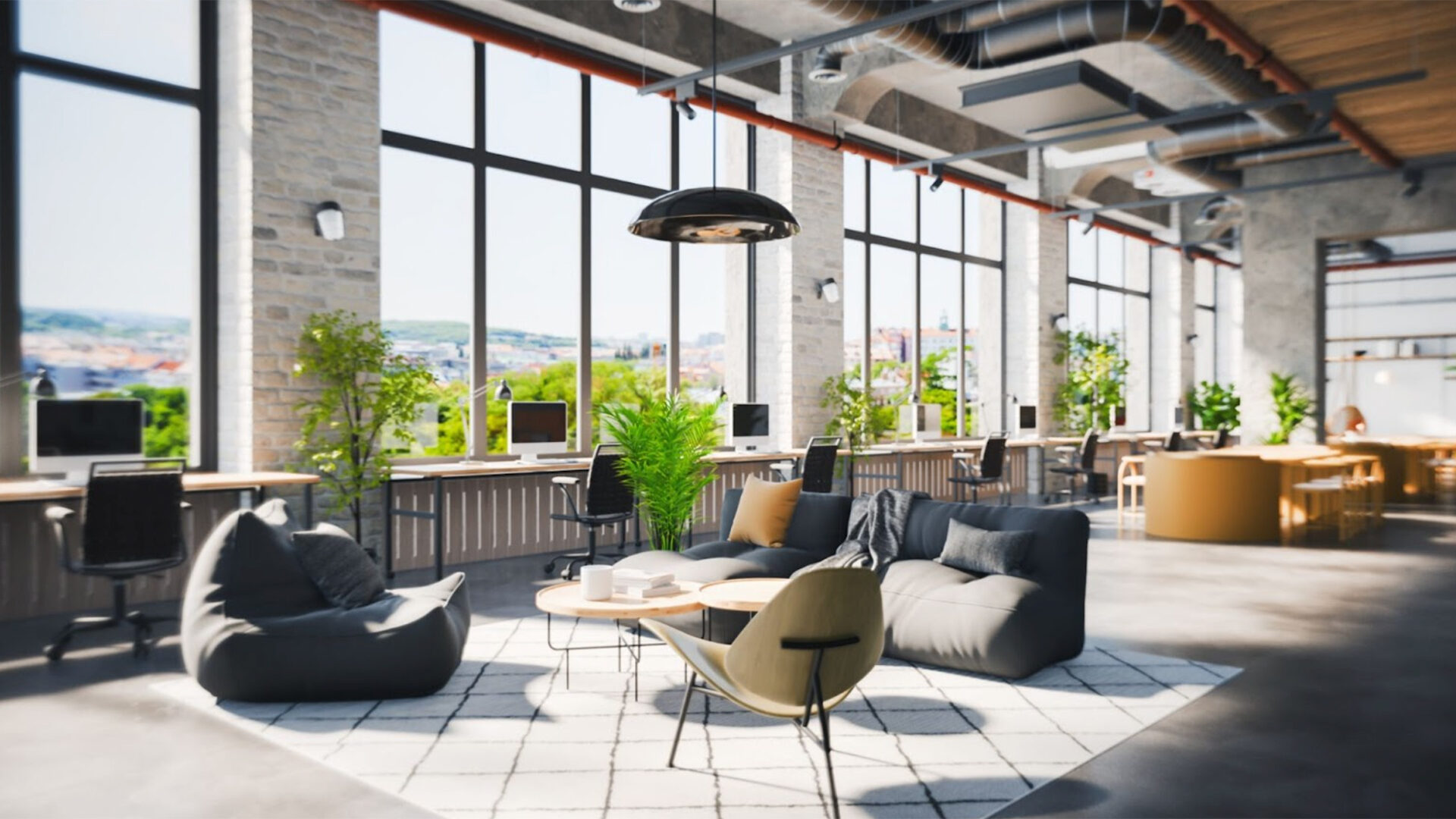
The smartest companies—whether in downtown Dallas, the suburbs of DFW, or anywhere in Texas—are building “activity-based workspaces.” Quiet zones for heads-down work. Collaborative hubs for brainstorming. Private phone booths. Casual lounges. Different tasks require different settings, and different generations have different preferences for where they think best.
You don’t need to gut your entire office. Most multi-generational improvements happen through thoughtful furniture selection and space reconfiguration.
Start with seating variety. Younger employees may prefer standing desks or active seating. Experienced professionals often prefer traditional ergonomic task chairs with proper lumbar support. Having both lets people self-select.
Create zones with purpose. A few well-placed acoustic panels can transform an open area into a more private space. Soft seating clusters create informal meeting spots without building new rooms.
Here’s a budget-friendly strategy that works especially well: blend new and used office furniture. Invest in new ergonomic seating where employees spend the most time, then incorporate quality pre-owned case goods, conference tables, and workstations. Premium brands like Herman Miller, Steelcase, and Knoll hold their quality for decades—a ten-year-old Aeron chair performs identically to a new one, often at 50-60% less cost.
Multi-generational workspace design isn’t really about age. It’s about acknowledging that people work differently and giving them options that support their best performance.
When employees can choose how and where they work within your space, engagement improves across all age groups. When they can’t, everyone suffers—but the talent you lose first will be the generations with the most options.
Office Furniture Plus specializes in creating personalized workspace solutions for multi-generational teams. As one of the largest office furniture dealers in the nation, we offer access to 220+ premium furniture brands in our 400,000 square foot Dallas showroom—featuring new, pre-owned, and blended commercial office furniture options. Whether you’re designing for hybrid work or outfitting an entire headquarters, we help companies across the country create environments where every generation can do their best work. Contact us at 1.800.668.3752 to schedule a complimentary workspace assessment.
Sources