1.800.668.3752
Call us for a free quote
Call us for a free quote
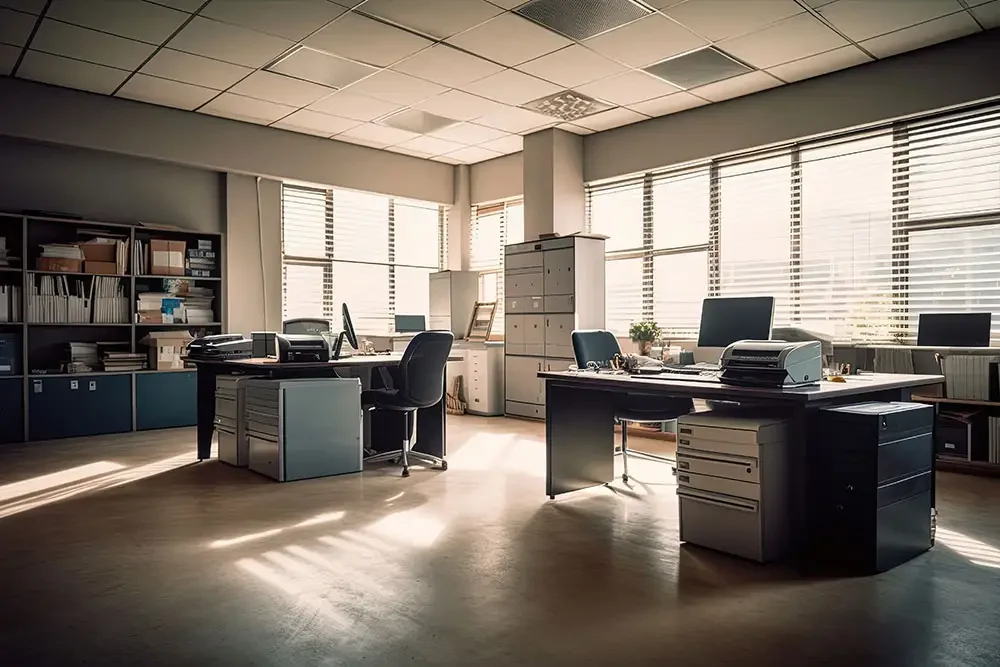
Your office environment is more than just a place to sit. It is a critical tool for business success and employee well being. When your workspace infrastructure begins to degrade, it quietly erodes output and morale. Many business leaders wonder when to replace office furniture, often waiting until pieces break or look worn. However, the most damaging effects of outdated or failing equipment are often invisible. Poorly maintained chairs, unstable desks, and inefficient storage solutions can lead to chronic discomfort, cluttered workflows, and a lack of professional aesthetic. Recognizing the signs of wear and tear, coupled with a proactive approach to office design, can transform your team experience and boost daily performance.
Commercial grade furniture is built for heavy daily use, yet it is not immortal. Understanding the expected lifespan of your assets helps you plan for capital investments. Most high quality office chairs have a functional life of seven to ten years depending on usage intensity and build quality. Desks and workstations typically last longer, often ten to fifteen years, though the integration of technology and cable management solutions may require earlier updates.
| Furniture Type | Expected Lifespan | Primary Indicators of Failure |
|---|---|---|
| Task Chairs | 7 to 10 years | Worn fabric, failing gas cylinders, loss of lumbar support |
| Desks | 10 to 15 years | Surface scratches, wobbly frames, damaged grommets |
| Filing Cabinets | 15+ years | Misaligned drawers, broken locks, sticking tracks |
| Cubicles | 10 to 12 years | Fabric fading, panel instability, outdated electrical |
If your office is currently using equipment that exceeds these ranges, you may be missing out on modern innovations that improve efficiency and comfort. Browse office furniture solutions at Office Furniture Plus to see the latest advancements in design and durability.
The most obvious cue for a refresh is visible damage. If your furniture looks tired, your brand image suffers. Beyond aesthetics, safety is a significant concern. Structural instability or frayed materials can become a liability. If you notice chairs that no longer hold their height, desks with peeling laminate, or cubicle panels that lean, it is time for an upgrade.
When employees struggle with their tools, their attention shifts from work to discomfort. If your current setup does not support modern technology requirements, overall workflow is likely to suffer. Poor cable management or limited surface space can force employees to spend more time organizing their workspace instead of completing tasks.
In addition, a dull and outdated office layout can reduce energy levels and limit collaboration among team members. Investing in the right workplace setup can boost productivity in multiple ways while also showing your team that their comfort and professional needs are a priority.
Ergonomics is the science of designing the workplace to fit the worker. If your furniture fails to provide adequate support, you risk employee strain and injury. A chair that lacks adjustable lumbar support, for instance, can lead to chronic back pain. If you find your team constantly adjusting themselves or complaining about aches, it is a clear signal that your current seating needs a review. Upgrading to ergonomic office chair is one of the most cost effective ways to invest in staff longevity.
Explore our collection of ergonomic office chairs and find the right fit for your workspace.
Modern business moves fast, and your furniture must be agile. The traditional, rigid office layout often fails to support the dynamic nature of today’s teams. If your layout prevents spontaneous collaboration or makes communication difficult, you might consider modular office furniture. This allows you to reconfigure your space as team sizes change or projects evolve. Using a flexible approach to space planning can help you maximize square footage and ensure that your floor plan aligns with your business goals.
Replacing furniture is an opportunity to revitalize company culture and optimize operations. Strategic upgrades can range from implementing height adjustable desks to improve health to integrating office storage solutions that clear physical clutter. When you refresh your space, consider the long term benefits of quality over short term savings. High quality contract grade furniture lasts longer, provides a better return on investment, and reflects a professional standard that resonates with clients and visitors alike.
If you are working with a tight budget, consider exploring furniture liquidation options or used office furniture to get top tier brands at a fraction of the cost.
How often should office furniture be replaced?
Generally, task chairs should be replaced every 7 to 10 years, while desks and storage systems can last 10 to 15 years. The exact timeline depends on the quality of the furniture and how heavily it is used in your daily operations.
How do I enhance my workspace for productivity?
You can enhance productivity by investing in ergonomic seating, optimizing your layout for better flow, and providing adequate office storage cabinets to reduce clutter. A well planned space minimizes distractions and keeps essential tools within easy reach.
Is office furniture 5 or 7 years old?
Furniture between 5 and 7 years old is often at the point where it may require maintenance or partial replacement. While desks might still be functional, chairs often show signs of mechanical fatigue or fabric wear by year seven.
When should you replace furniture?
You should replace furniture when it shows signs of structural failure, poses a safety risk, or no longer meets the ergonomic needs of your employees. Consistent discomfort or a negative impact on office workflow are also strong indicators for an upgrade.
Can I mix new and used furniture?
Yes, blending new items with pre owned pieces is an excellent way to balance your budget while achieving a professional look. We offer various blend options to help you create a cohesive and functional office design.
What is the benefit of ergonomic furniture?
Ergonomic furniture reduces the risk of musculoskeletal disorders and physical fatigue. By providing better support, it allows employees to maintain focus and comfort during long work sessions, which directly contributes to higher output.
How does lighting impact office furniture selection?
Lighting and furniture go hand in hand, as proper desk placement and surface finishes can reduce glare. Incorporating the right office decor and lighting ensures that your workspace is both functional and aesthetically pleasing.
Does an office layout affect furniture lifespan?
Yes, high traffic layouts can lead to faster wear on furniture. Frequent movement or reconfiguration requires durable products, so choosing high quality, modular pieces is vital for offices that change their setup often.