Office Furniture Plus - A Total Office Solutions Anywhere Company
X
  • No products in the list

New Office Furniture

Showing 21–40 of 84 results
Frequently Asked Questions: New Office Furniture

1. How do I determine the right budget for my office furniture needs?

When establishing your office furniture budget, consider factors such as the number of workstations needed, the types of spaces being furnished (private offices, collaborative areas, conference rooms), and the expected lifespan of the furniture. As a general guideline, allocate more budget to items used most frequently (desk chairs) and areas that make strong impressions on clients (reception). Professional furniture consultants can help you develop a realistic budget based on your specific requirements and company size.

2. What’s the average lead time for new office furniture?

Lead times vary considerably based on manufacturers, selected products, and current market conditions. Standard catalog items typically ship within 2-4 weeks, while custom or configurable solutions may require 6-12 weeks. Global supply chain variations can affect these timeframes. Working with an established furniture provider means you’ll benefit from their manufacturer relationships and accurate timeline forecasting based on current conditions.

3. How can I ensure the furniture I select will be ergonomically appropriate?

Ergonomic furniture should be adjustable to accommodate various body types and work styles. Look for chairs with multiple adjustment points (seat height, armrests, lumbar support, tilt tension), height-adjustable desks, monitor arms with flexible positioning, and keyboard trays that promote proper wrist alignment. The best approach is to test furniture before purchasing and consult with specialists who can recommend appropriate ergonomic solutions for your specific workforce.

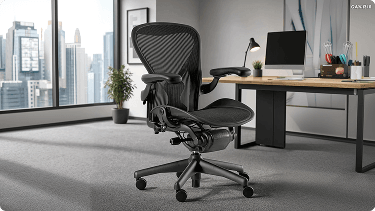
4. What are the most important factors to consider when selecting office chairs?

Quality office seating represents one of your most important furniture investments as it directly impacts employee comfort, health, and productivity. Key considerations include: adjustability features, lumbar support, seat padding density, breathable materials, weight capacity, warranty length, and compatibility with your work environment. Higher-end chairs typically offer more adjustment points and longer warranties, often making them more cost-effective over their extended lifespan.

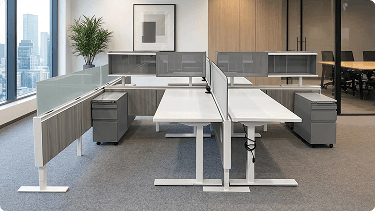
5. How do I choose between traditional desks and open workstations?

This decision should be based on your organization’s work culture, collaboration requirements, space constraints, and budget considerations. Traditional desks offer more privacy and personal space, while open workstations facilitate communication and typically require less square footage per employee. Many workplaces now incorporate a mixture of both styles to accommodate different work functions. Consider conducting employee surveys about work preferences before making this significant investment.

6. What’s the difference between commercial and residential office furniture?

Commercial office furniture is specifically designed for workplace environments with: higher durability standards, more rigorous testing, modular/configurable components, consistent aesthetic options for organizational standardization, commercial warranty coverage, and compliance with workplace safety regulations. While residential furniture may initially cost less, commercial-grade furniture typically offers better long-term value through extended durability and warranty protection in high-use environments.

7. How do I know what size furniture is appropriate for my space?

Proper space planning is essential before purchasing new office furniture. Industry standards suggest a minimum of 36 square feet per person in open plan environments and 100-200 square feet for private offices, though requirements vary based on job functions and equipment needs. Professional design services can create scaled floorplans ensuring appropriate clearances, traffic flow, and spatial efficiency. Many furniture providers offer complimentary space planning as part of their service package.

8. What maintenance is required for new office furniture?

Different materials require specific maintenance approaches. Most commercial furniture is designed for low maintenance, but regular care extends its lifespan significantly. Fabric upholstery benefits from annual professional cleaning, wood surfaces should be dusted with appropriate products, laminate surfaces can be cleaned with mild soap solutions, and mechanical parts (chair mechanisms, drawer slides) may need occasional adjustment or lubrication. Manufacturer guidelines provide specific recommendations for each product.

9. What’s the typical warranty coverage for new office furniture?

Warranty coverage varies significantly by manufacturer and product category. Generally, structural components carry longer warranties (often 10+ years), while mechanical parts, fabrics, and finishes may have shorter coverage periods (3-5 years). Higher-end products typically offer more comprehensive warranty terms. Look for warranties that cover both parts and labor, and check if coverage extends to full product replacement or just component repair.

10. Will new furniture integrate with my existing pieces?

Integration success depends on several factors including scale, color palette, materials, and design era. Some manufacturers offer programs to match existing finishes. When full matching isn’t possible, strategic grouping of similar styles and creating intentional transitions between different furniture families can create a cohesive environment. Professional design services can recommend integration strategies or suggest pieces specifically designed to bridge different furniture styles.

11. How does furniture affect workplace productivity?

Research consistently demonstrates that appropriate office furniture directly impacts productivity through multiple mechanisms: ergonomic support reduces physical discomfort and associated distractions, properly designed collaborative spaces facilitate effective teamwork, adequate storage minimizes time wasted searching for materials, and appropriate acoustic solutions reduce noise distractions. Additionally, thoughtfully designed environments typically improve employee satisfaction and retention, reducing costly turnover.

12. What’s the best approach for furniture that supports hybrid work models?

Furniture for hybrid workplaces should prioritize flexibility, technology integration, and multi-functionality. Consider easily reconfigurable components, shared workstation systems with personal storage options, enhanced technology support in meeting spaces, and informal collaborative areas that supplement traditional conference rooms. Height-adjustable surfaces accommodate different user preferences, while touchdown spaces support mobile workers. The most successful hybrid furniture solutions can adapt as your organization refines its approach to hybrid work.

Select at least 2 products
to compare